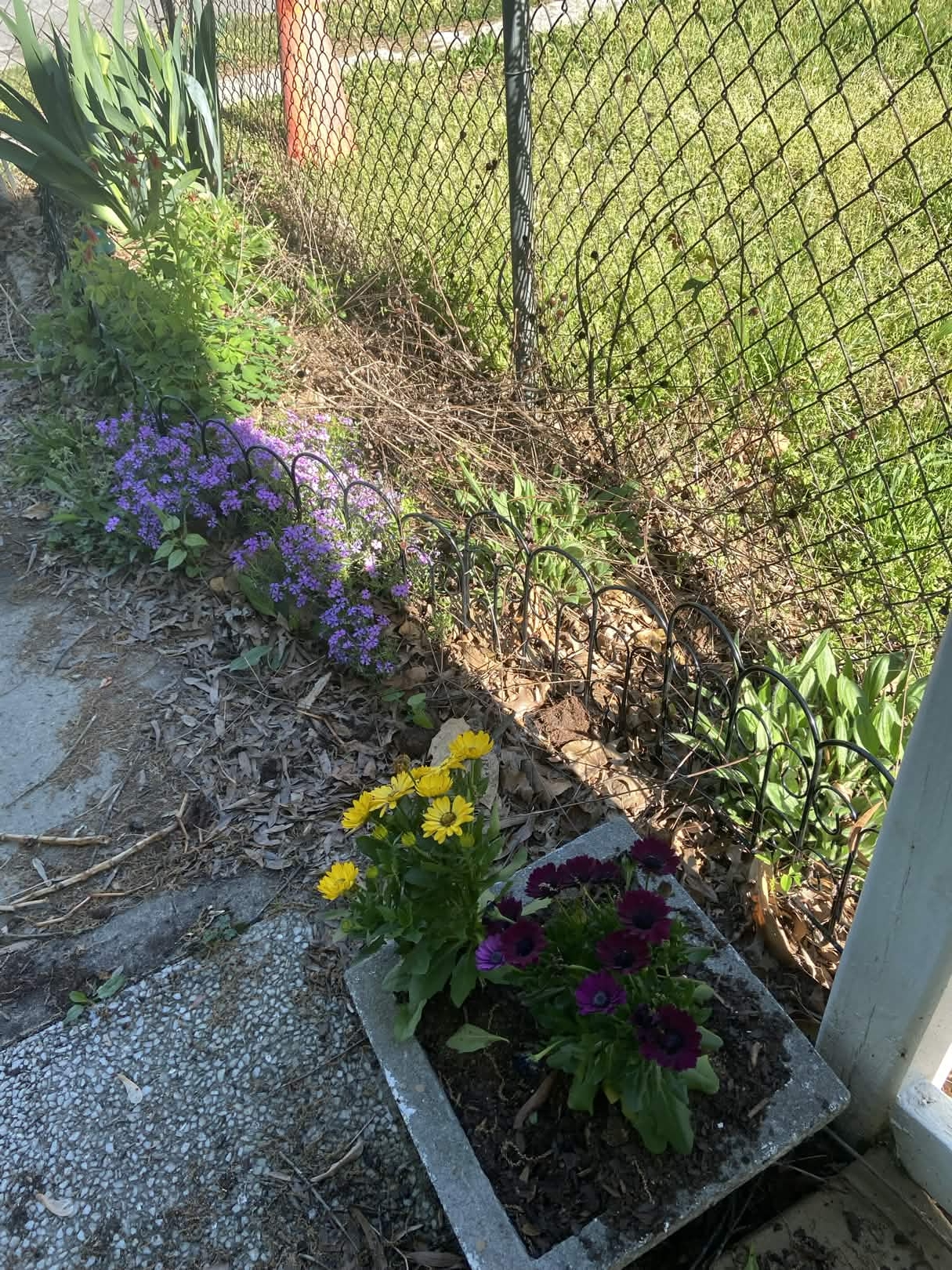
The creeping phlox, red columbine, brown-eyed Susans, and irises in the background of two African daisies in a cement pot. Plus a traffic cone that lives in my neighbor's yard.
My favorite hobby is gardening. I'll link some images of my plants here eventually, but for now you get text. I started with a small garden in pots out back of the apartment I lived in with my folks, that I've been cultivating since 2020 when I first got really interested in plants again. Now I'm working on my yard, the front is a flower garden with native plants, and around the side and back are vegetables in raised beds.
View my Garden Log for year/month updates on the state of my yard.
The creeping phlox, red columbine, brown-eyed Susans, and irises in the background of two African daisies in a cement pot. Plus a traffic cone that lives in my neighbor's yard.
I am currently building a wildlife island in my yard, using native plants to attract bugs, and in turn, the birds and animals that eat them. I do use non-native but noninvasive species, like daylilies that grow from bulb.
The best way to create your own wildlife island is to have a good start: rich soil that has plenty of organic matter broken down into it over the years. If you've been raking and removing leaves until now, you won't have as good a start-- but you can always leave the leaves going forward. Besides nourishing the grass and soil, they also shelter bugs over the winter (just like tall plant stems). Winter gardens look a little messy, but that's part of the life cycle, we all look messy when we're resting. If you want to add nutrients, be careful not to overdo it, as runoff causes algae blooms in your local water supply which kill aquatic life by using up all of the oxygen and choking things to death.
So if you have your soil, and you want to go further, start picking out the layers of an ecosystem you want to replicate. I'm replicating a meadow/the edge of woods, so I have a ground cover to shade out weeds (unwanted invasive plants), some low-lying plants to begin building my layers, and finally taller flowers that reach for the sun.
Look for local nurseries, and avoid big box stores if you want to plant native. Find information on your specific region, down to the city you're in-- I live in the Piedmont region of the South, which is very different from Appalachia and the coastal regions.
Also when you plant, don't worry about the plants in the ground, unless it's a drought, if they're from your region they'll be fine. Water occassionally over the summer, depending on your area and the weather. Remember, if you spend an hour watering everything carefully, it'll begin storming.
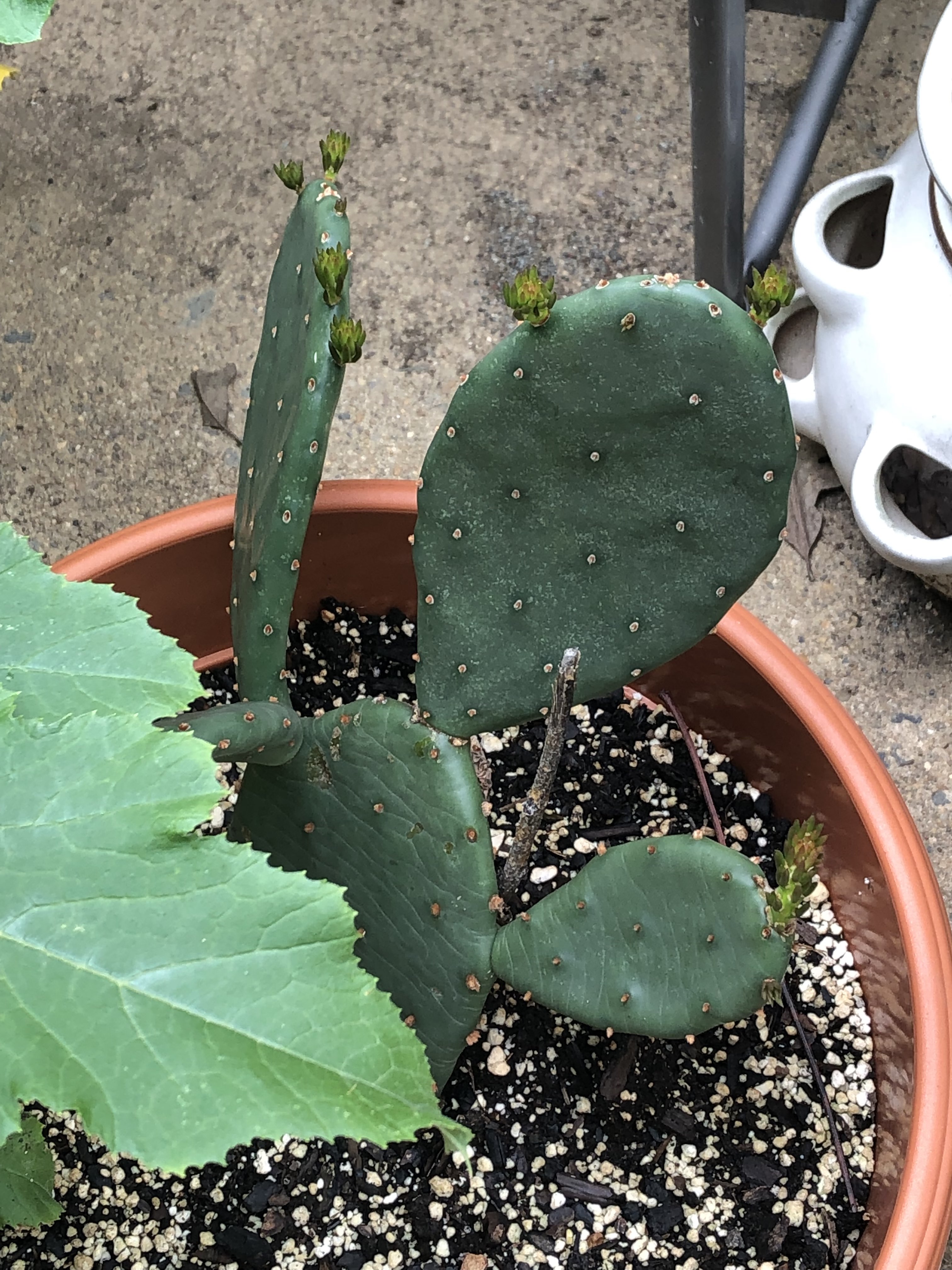
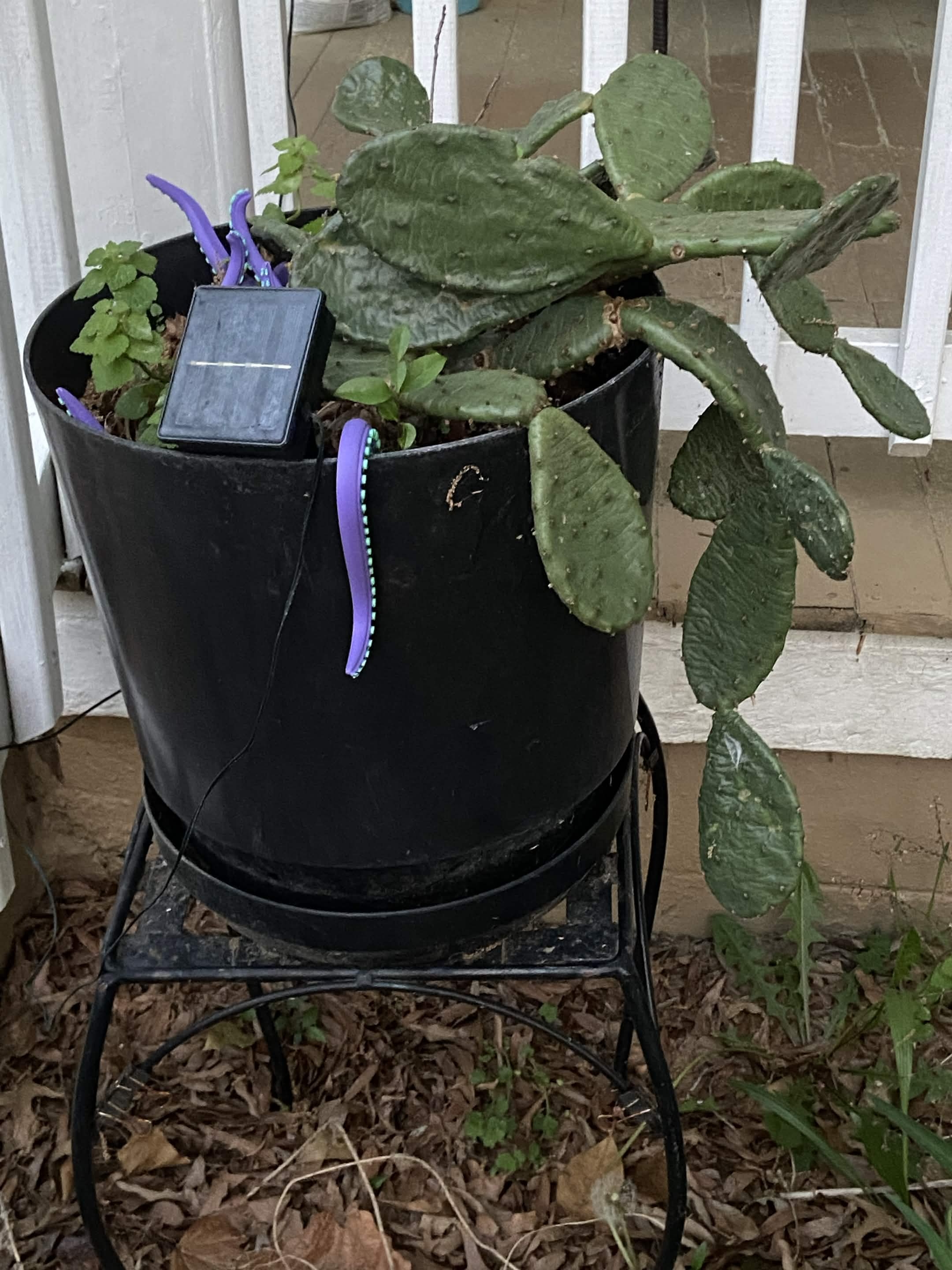
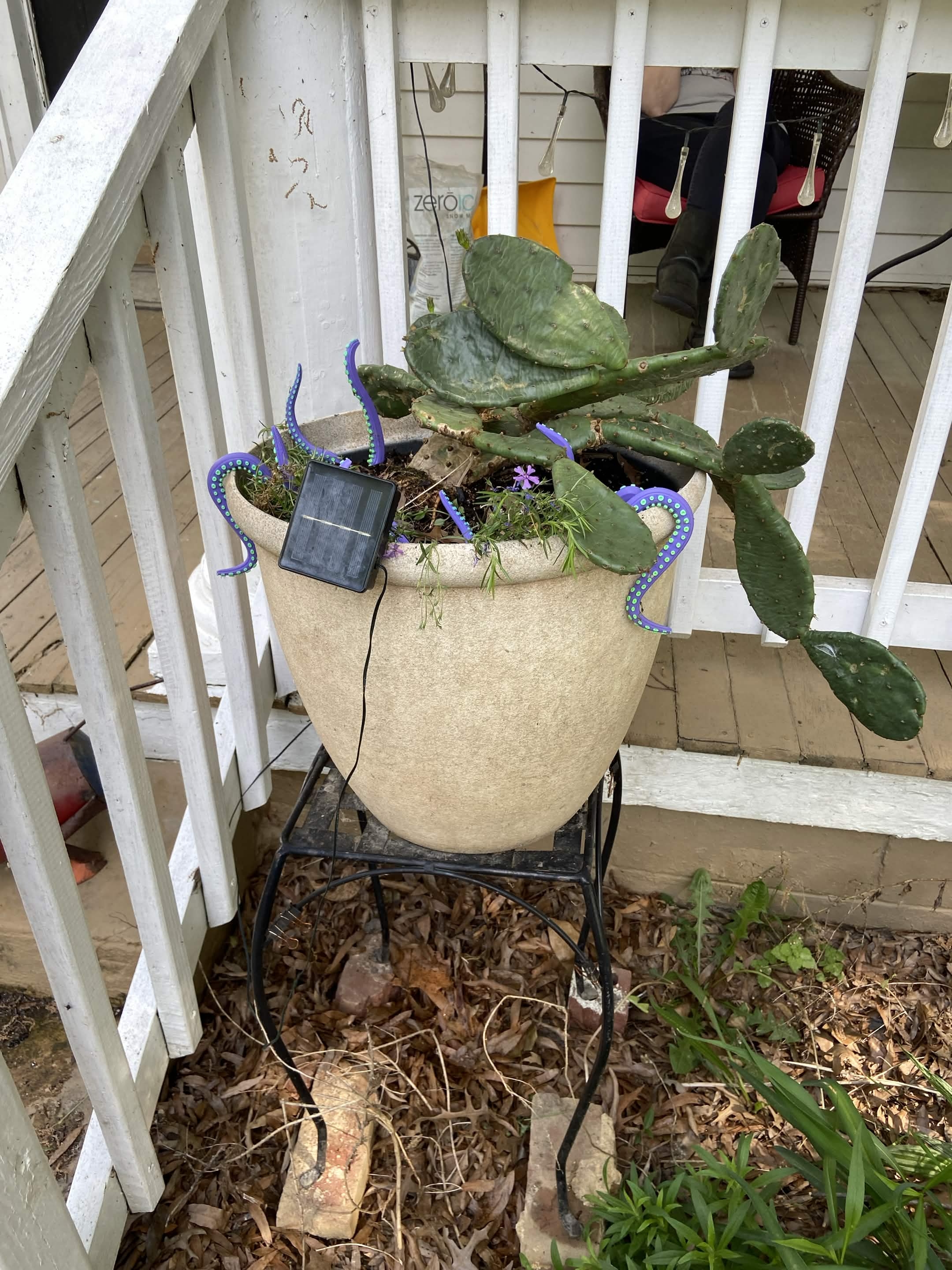
There was an immortal cactus outside my childhood home, I call it the Cursed One. (It's an Eastern Prickly Pear) It survived being upside down in its pot for a year, it survived feet of snow, drought (of course) and flooding. It also had a taste for blood. It's probably alive in the landfill somewhere. But; before I went to college I propagated a cactus pad myself, and it's been going strong. I managed to forget it in my dorm when lockdown for COVID hit, and it was still alive months later when I went to retrieve my things. I eventually repotted it, and it's produced weird fruit for the first time in 2024. It also has yellow flowers each year. I call it the Cursed One's Child.